How Long Does Carpet Take to Dry After Cleaning?
The excitement of having freshly cleaned carpets is often met with the practical question of when the space will be ready for normal foot traffic again. Understanding the timeline for drying is essential for planning your day and ensuring that your flooring is protected during its most vulnerable state.
Allowing your carpets to dry completely is more than just a matter of convenience; it is a vital step in preventing moisture-related issues like mold or fiber damage. Proper post-cleaning care ensures that the results of your deep clean last longer and that your indoor air quality remains high.
Impact of Cleaning Methods on Moisture
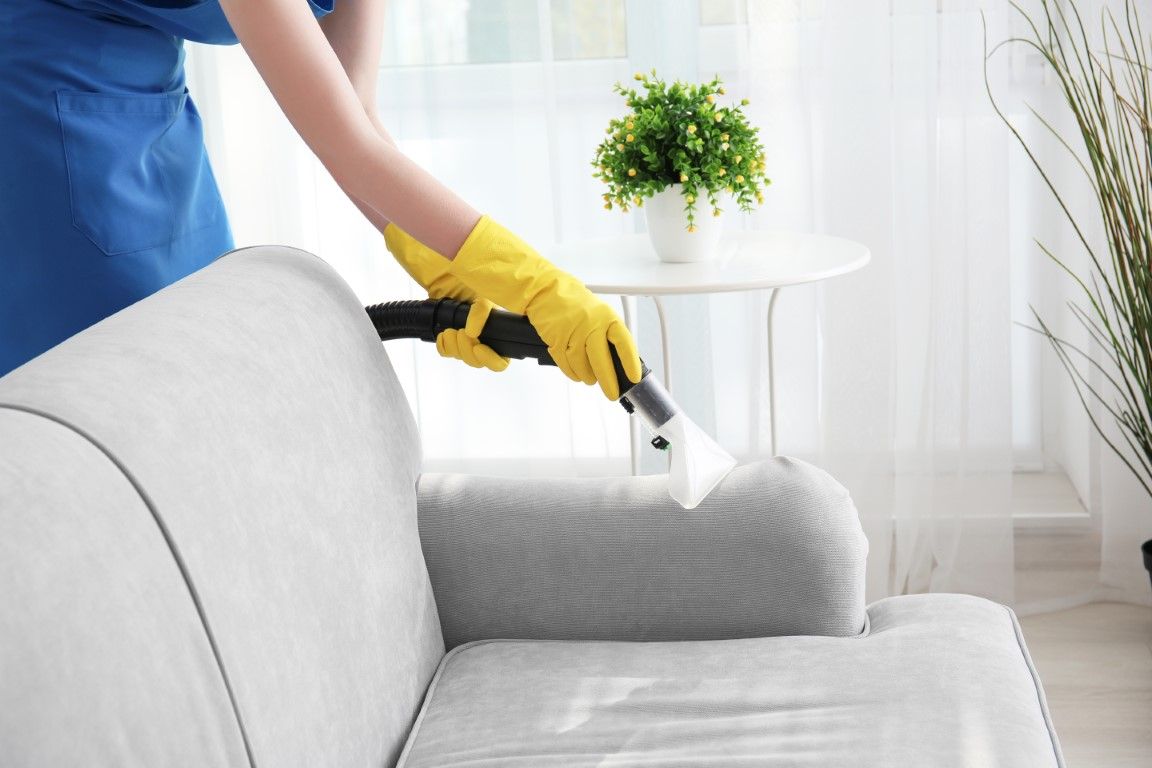
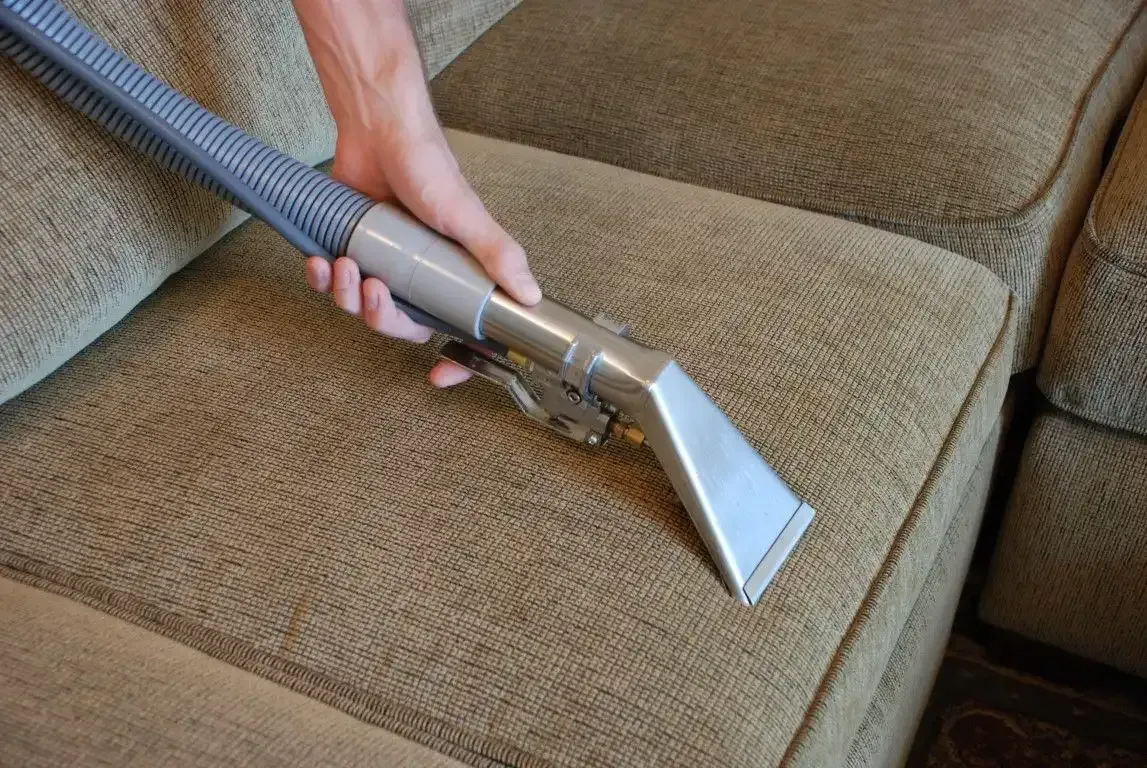
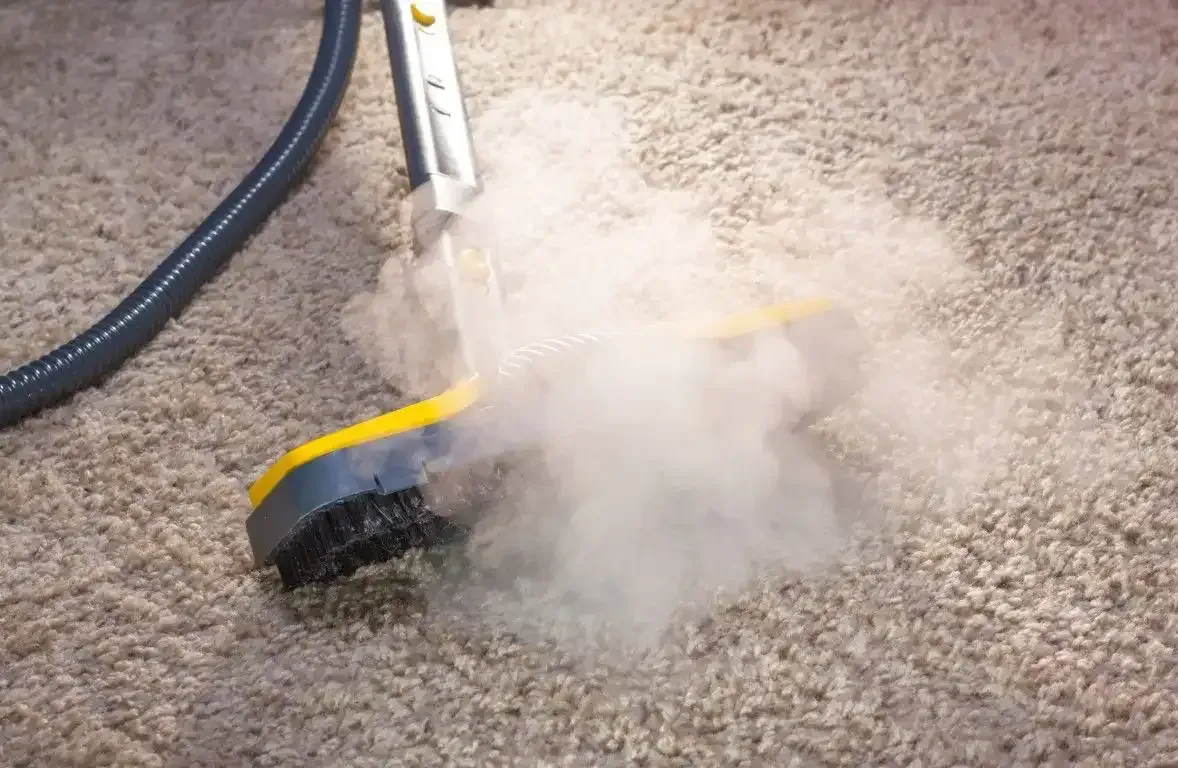
The specific technique used to refresh your floors plays a primary role in how much water remains in the fibers afterward. While hot water extraction is incredibly effective, it inherently uses more liquid than low-moisture or dry cleaning alternatives.
- High-powered extraction units remove up to ninety-five percent of the water used.
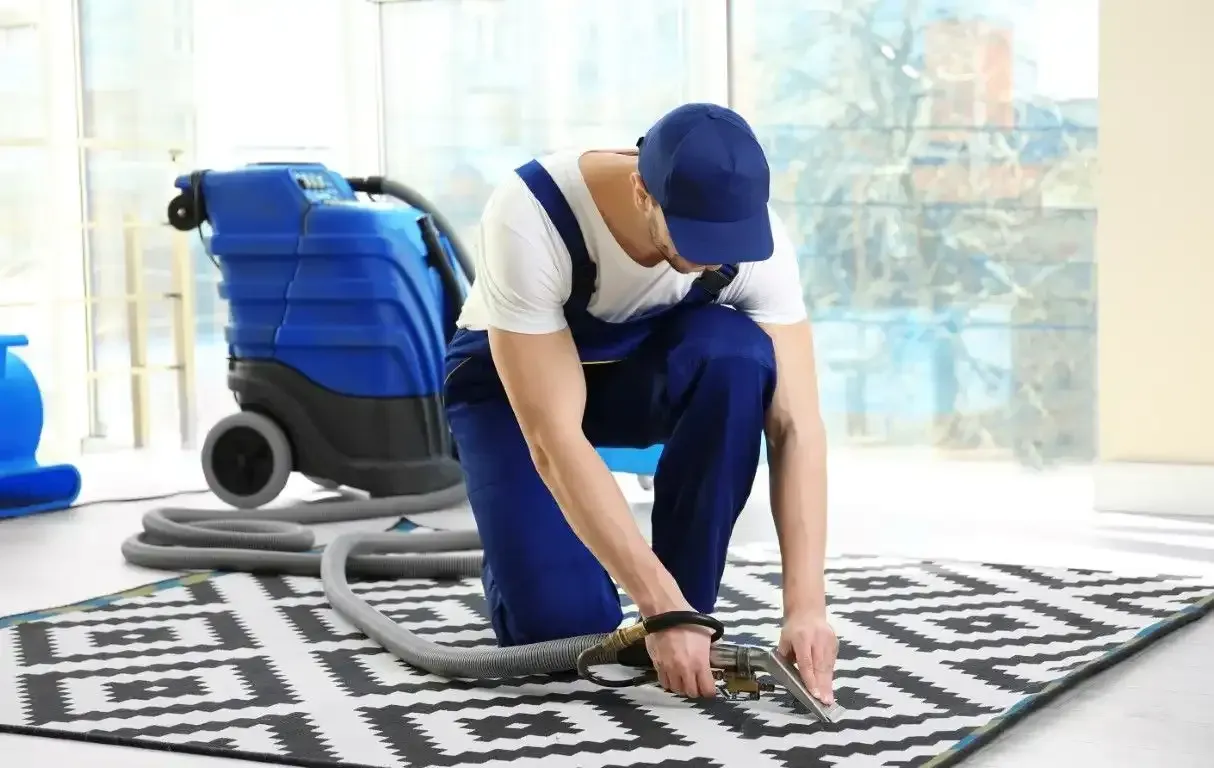
- Professional-grade equipment leaves the padding relatively dry compared to rental machines.
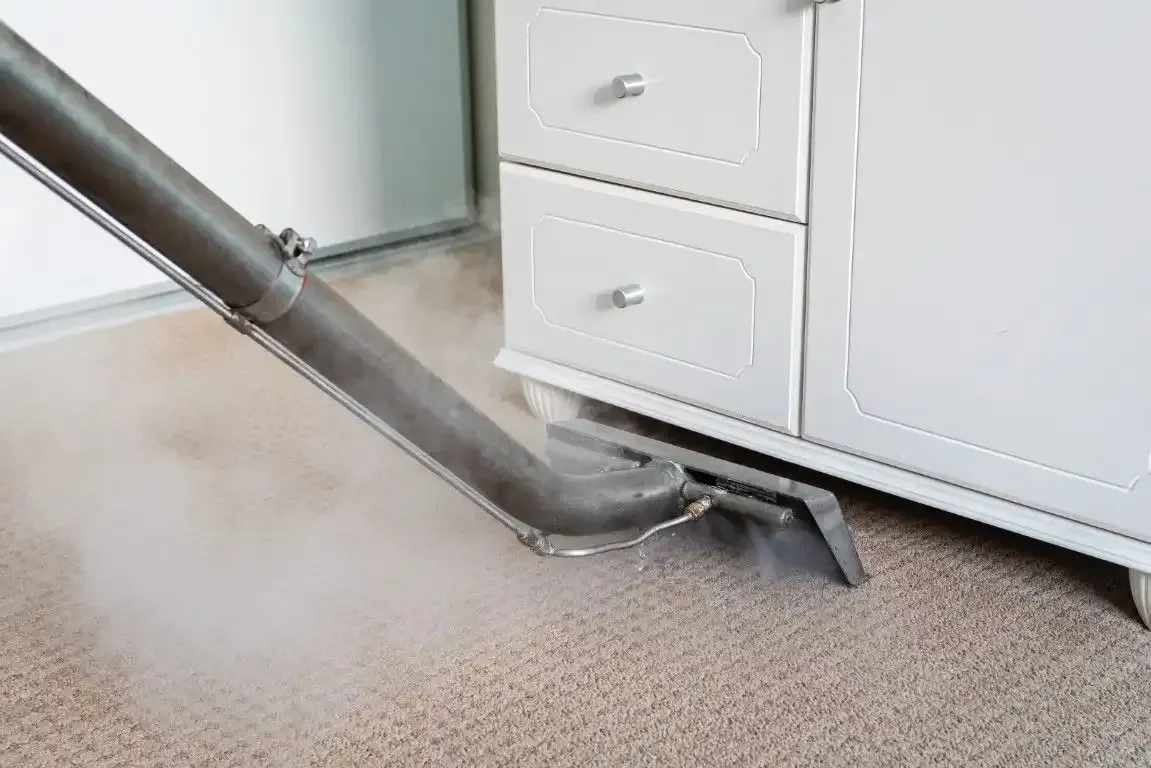
- Specialized wands are designed to maximize suction and minimize dampness.
Selecting a method that balances deep sanitization with efficient water recovery is the best way to ensure a faster return to normal use.
Role of Indoor Humidity and Temperature
Environmental conditions inside your home act as the secondary driver for how quickly moisture evaporates from the carpet pile. When the air is saturated with water, the drying process slows down significantly regardless of how much water was extracted.
- Warmer air holds more moisture, which helps pull water out of the damp fibers.
- Using an air conditioner during humid summer months acts as a natural dehumidifier.
- Running your furnace in the winter can create a dry environment that accelerates evaporation.
Managing your internal climate is a proactive way to shave hours off the total time your floors stay damp after a service.
Importance of Airflow and Ventilation
Moving air is perhaps the most effective tool for whisking away the moisture that sits on the surface of the carpet strands. Without proper circulation, a pocket of humid air can sit directly above the floor, stalling the entire process.
- Opening windows on dry, breezy days creates a cross-wind that aids in rapid drying.
- Ceiling fans should be set to a high speed to keep the air moving across the room.
- Floor fans or air movers can be placed strategically to target specific damp spots.
Creating an active environment with plenty of air movement is the most practical advice for any homeowner looking to speed up the clock.
Carpet Fiber Type and Density
The physical characteristics of your flooring, such as the material and the thickness of the pile, dictate how much water is retained. Synthetic fibers like nylon or polyester tend to dry much faster than natural materials like wool, which are highly absorbent.
- Deep-shag or high-pile carpets hold more water between the thick strands.
- Loop-style carpets like Berber may dry faster on the surface but hold moisture deeper down.
- Wool fibers require more delicate handling and generally take the longest to dry completely.
Being aware of your specific carpet type helps set realistic expectations for the drying window and prevents premature furniture placement.
Safe Practices During the Drying Phase
While you may be tempted to walk on the damp surface immediately, doing so can compromise the cleaning results and safety. Damp fibers are prone to flattening and can easily pick up fresh dirt from the bottom of socks or shoes.
- Wear clean white socks if you absolutely must walk on the damp areas to avoid dye transfer.
- Keep children and pets away from the treated rooms until the pile feels dry to the touch.
- Wait at least twenty-four hours before moving heavy furniture back to prevent wood or metal stains.
Following these simple safety precautions protects both your investment and your family while the final stages of evaporation occur.
Reclaim Your Clean and Comfortable Space
A clean home is a sanctuary, and the short waiting period for dry carpets is a small trade-off for a sanitized and beautiful environment. Taking the right steps to manage airflow and temperature ensures that your floors are ready for bare feet and play in no time.
Your commitment to proper maintenance pays off in the form of a fresher, healthier household for everyone to enjoy. By understanding the drying process, you can confidently schedule your cleaning and get back to your routine with peace of mind.